Living with baldness can have many adverse effects on you, not only on your looks, but on your attitude toward yourself. As the quest for permanent answers goes on, the hair transplant in Delhi has emerged as the most renowned and most relied-upon solution. But is it truly the ultimate solution to pattern baldness? That is what many ask before making the decision.
With modern and better techniques such as FUE being carried out these days, hair transplants are more accurate and natural than ever. But you should always remember that not all balding is created equal. What will work for one individual might not be good for another’s baldness. Pattern baldness has its own set of causes and nature that dictate the treatment protocol.
Male Pattern Baldness and Its Actual Cause
Hair loss in men usually starts gradually, with a receding hairline that starts thinning at the crown. Gradually, these symptoms can advance to what we normally refer to as male pattern baldness, or androgenetic alopecia. This is the most typical form of hair loss in men, and it is primarily influenced by hormones and genes. But to decide on the appropriate treatment, like a hair transplant in Delhi or any other kind of method, you need to know why the loss of hair is occurring in the first place.
There are several factors that come into play, such as if hair loss runs in your family, there’s a good chance you will experience it too. Hormonal changes, particularly the effects of DHT, that shrink hair follicles. On top of that, lifestyle habits, aging culture, and even diet can all play a role. Knowing the root cause is the first step toward finding the right solution.
Hair Transplant Procedures for Male Pattern Baldness: FUT vs. FUE
There are 2 popular techniques used for curing male pattern hair loss. Both have their own advantages, and each is selected depending upon the patient’s requirement, hair loss, pattern, and desired result.
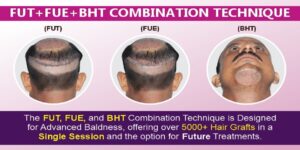
FUT is known as the “strip method,” is a technique where a strip of skin from the back or the sides of the scalp with thick hair is taken out. Individual follicular units (small clusters of hair follicles) are then dissected from the strip and placed in areas of baldness. FUT is usually used if a high number of grafts are to be done in one session.
However, FUE is a newer and less traumatic method. Individual follicles are removed straight out of the donor site in this process and implanted on balding or thinning areas. It causes less scarring and suits individuals who like to keep their hair short.
Both procedures are designed to provide natural results by using your own hair, and the decision between the two is best made with advice from an expert hair transplant surgeon, also the hair transplant cost in Delhi depends on which procedure you choose.
Hair Transplant For a Permanent Solution to Male Pattern Baldness
Hair transplants are regarded as one of the most effective long-term solutions for male pattern baldness. The outcome is not only temporary but can be for decades, and in some cases, transplanted hair will stay for a lifetime. The reason is that the hair utilized for the transplant comes from the back and sides of the head, where balding usually does not occur.
After a transplant, the healthy hair follicles grow naturally in the new location. Although some further thinning does occur over a long period, most of the transplanted hair survives. And with good maintenance and care, the hair transplant cost in Delhi is worth spending, as it gives you a fuller hairline and more confidence that lasts for years to come.
Evaluating Hair Transplant Success: Top Factors and What to Expect
Hair transplant surgery can bring amazing results, but how successful the procedure is relies on a number of factors. From selecting the proper method to the degree to which your body heals, each step is responsible for delivering natural, lasting results.
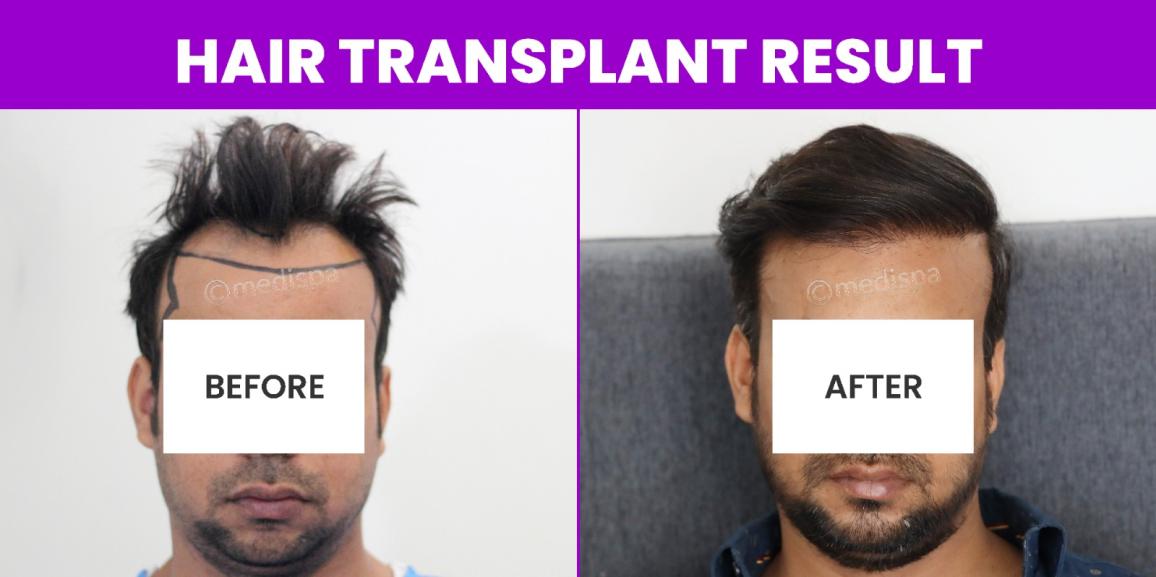
At Medispa, we use innovative methods such as FUE to provide high-density, natural outcomes while preserving native hair and enhancing graft survival. However, it’s also important to keep in mind that results vary from person to person. Having realistic expectations about what amount of density can be restored and how long it would take to get full results is important to overall satisfaction.
Determine The Hair Transplant Success
Hair transplant techniques must be chosen with care for specific requirements. Our professionals assist in the selection of the most suitable one for your condition and desired outcomes.
- Post-care or aftercare – You must follow the post-care instructions, which is very crucial. Proper hygiene, prevention of certain activities, and the taking of prescribed medicines all contribute to graft survival and faster healing.
- Health and Healing – Your general health, i.e., underlying diseases or medications, may affect how well you will heal and how well the transplant will work.
- Genetic Factors – Your genetic makeup determines the speed and extent of hair loss, which in turn may affect long-term results.
- Realistic Expectations – While transplants significantly improve hair and increase density, they cannot replicate the fullness of native hair.
- Timeline to Results – Patience is essential, as the visible hair growth occurs in most people 3 to 4 months post-procedure, with complete results generally manifesting between 9 to 12 months.
Knowing these factors gives one a basis for a successful hair restoration experience, one of visible as well as emotional change.