
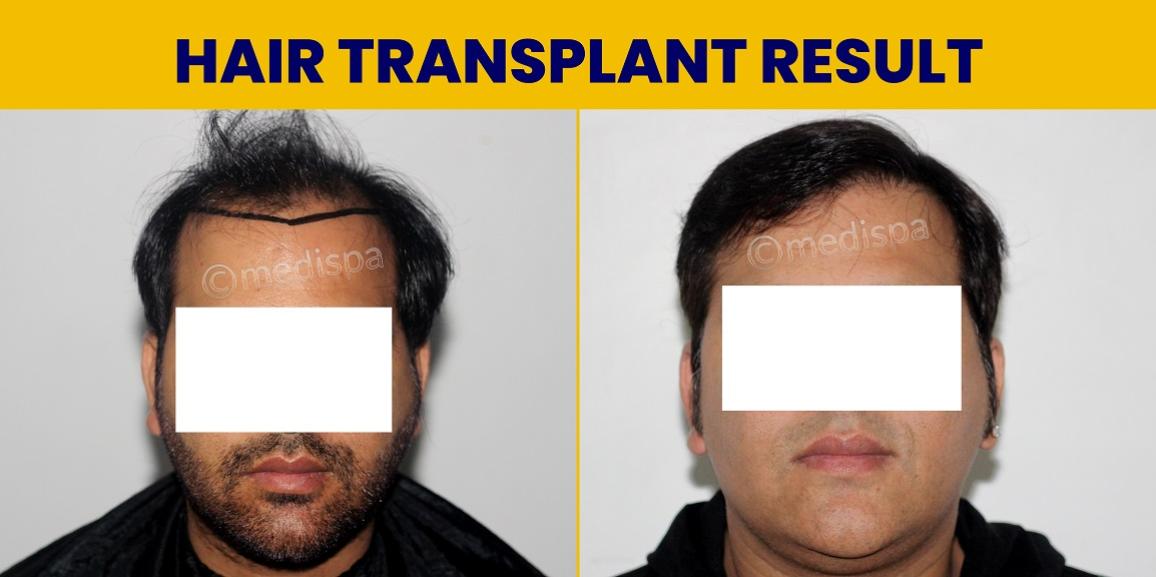
Genetic baldness is certainly one of the most common reasons for hair loss. Millions suffer from it all over the world, and it does not discriminate based on age, gender, or any lifestyle choice. For many, it is a painful process- thinning of hair, slowly retreating hairlines, and patches on the scalp can seriously dent confidence. People become conscious of how they feel about themselves, how they present themselves socially, and perhaps, how they perform in their jobs. So when somebody feels that the last hairs are shedding away for good, he or she seeks a genuine, enduring solution rather than mere temporary remedies.
And here is where hair restoration makes its entry as a real game-changer. Over the years, hair restoration methods have seen a lot of advancement, and now they are capable of giving an outcome that looks natural and blends excellently with the existing hair. But the real concern here is, is hair restoration actually the right solution for genetic baldness?
We shall keep this simple.
What Is Genetic Baldness?
Genetic baldness is also called androgenetic alopecia. It is the result of hereditary factors in which the hair follicles become sensitive to the action of hormones known as DHT (dihydrotestosterone). This hormone shrinks the follicles slowly over a period of time so that they become thinner and eventually stop growing.
Some classic signs are:
- The hairline is gradually going back
- Formation of a bald patch on the crown
- Thinning of the hair over the top of the head
Such forms of baldness respond very rarely to oils, shampoos, supplements, or home remedies. These measures may slow the process down, but they cannot reverse it. Hence, the person’s next options are medical treatments.
What Makes Hair Restoration Unique
Hair restoration targets the area where real, natural hair used to be. Healthy hair follicles from an area immune to thinning (usually the back and sides of the scalp) are removed and put into the thinning area.
Why hair restoration gets highlighted as the prime solution is quite uncomplicated:
- Provides permanent results
- Restores natural hair growth
- Improves density and overall aesthetic
- Natural hair continues to grow for the rest of life
Individuals interested in hair transplant in India nowadays opt for restoration surgery not only for the aesthetic result but also for the confidence and emotional release it brings. The country is one of the favoured destinations because of the competent surgeons and advanced techniques, which offer excellent results.
Types of Hair Restoration Methods
Hair restoration mainly contains two surgical techniques popularly adopted:
FUE (Follicular Unit Extraction)
Individual hair follicles are collected one at a time and implanted into the bald areas.
- Minimal scarring
- Quick healing
- Good for designing hairlines accurately
FUT (Follicular Unit Transplantation)
A strip of scalp is cut and removed, containing hair follicles, which are numbered in grafts implanted.
- Indicated for a larger bald area
- More grafts implanted in one session
- Indicated for higher density
Surgeons may apply a combination of both procedures where necessary, considering the availability of the donor.
Is Hair Restoration a Better Method?
Many other treatments claim to reduce or stop hair fall: PRP therapy, medicines (minoxidil and finasteride), herbal supplements, and even laser therapy. While they can help slow down the underlying process of hair loss, these methods cannot restore permanently lost hair.
Wigs and hair systems can successfully disguise baldness, but they require regular care and maintenance and do not seem to feel natural.
Hair restoration, in contrast to the above-mentioned methods:
- Sets alive hair that grows naturally
- Don’t need any upkeep-just like wigs
- Can be washed, styled, or cut as required
- Ensure long-lasting and natural results
This explains why people wishing to have a hair transplant in India regularly choose surgical restoration for a lasting solution compared to temporary options.
How Important is the Cost?
Certainly, cost considerations are key to decision-making. People weigh their options against price so that they can have the right balance between quality and affordability. Many patients also look into hair transplant cost in India to understand how widely they differ. Some of the factors affecting price are:
- Number of grafts required
- Technique used (FUE or FUT)
- Surgeon’s experience and skill
- Facilities and technology at the clinic
- Extent of baldness
Some clinics offer lower prices, but if a person chooses purely based on cost, he or she could end up with a bad result, quite possibly along with damage to his or her permanent donor. Good results are the function of good surgical expertise, not a discount on the price. Thus, even after checking on competitive hair transplant cost in India, most patients return to reliability.
Who Would Qualify as a Suitable Candidate for Hair Restoration?
Your ideal candidate:
- You have stable donor hair at the back and sides.
- You are facing permanent hair loss, not temporary shedding;
- You are physically healthy;
- You have realistic expectations;
Even young adults who experience the onset of baldness at an early stage may opt for restoration after suitable medical consideration.
Final Thoughts
Most commonly, yes- Hair Restoration is the best solution for genetic baldness, particularly if natural, permanent, and confident results are required. It restores more than hair-it restores identity and self-esteem. Consequently, the technology has come so far that scars are barely noticeable, and nothing even has a hint of unnatural or a hair-transplant appearance.
Hair restoration may not end how one feels upon seeing his/her reflection in/mirror. Depending on critical professional input, clarity, and patience, the story may be rewritten completely.
If one is serious about a drastic change in aesthetics and regaining control of a previous self, a good place to begin is research: consult certified surgeons for options that are well understood. A decision well made now can usher in a lifetime of confidence.