Men deprived of a healthy crop of hair stand to gain in terms of self-esteem but tend to use a new product that has a temporary effect on prolonging their confidence in the use of serums, supplements, and oils. However, when these either fail or do not yield satisfactory results, the issue they have to consider is “Should I go for a hair transplant, or should I go for the medication?”
Have you been thinking of getting a Hair Transplant in Delhi? Well, then it’s wiser to know how it stands when compared to medical treatments of Minoxidil or Finasteride. Clearly stated with no hype, just the facts nonsense so that you understand what’s really worth your time, money, and trust.
The Real Difference: Medication vs. Transplant
So what do these options actually mean? This should spell out what each is liable to do before deciding:
- Medications (Minoxidil and Finasteride) are used to slow down hair loss or stimulate existing follicles. They help in early hair-thinning stages or gaps, but do not bring hair from bald areas.
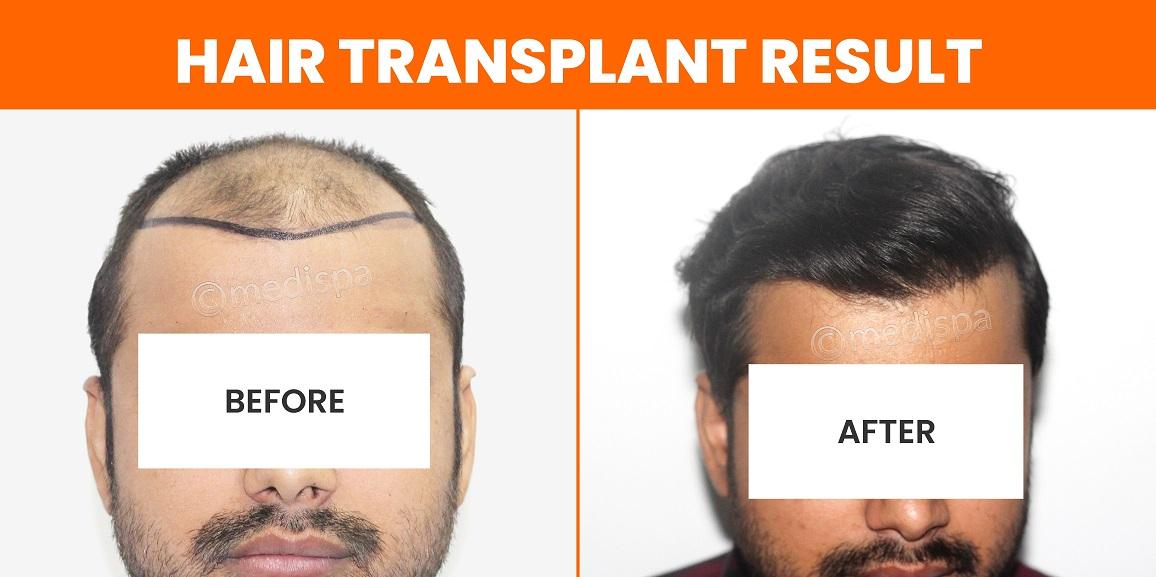
- A hair transplant, on the other hand, is a permanent surgical solution where healthy follicles from the donor area (usually the back or sides of your scalp) are transplanted to bald spots.
That is why medications may prove ineffective for permanent restoration, but the transplant procedure is meant to restore hair permanently.
When Medication Is Useful And When It Is Not
Be real: they are not magic pills.
They work best when:
- The hair loss is quite recent.
- You haven’t turned 30, so you haven’t wasted active follicles.
- You take them daily (falling off the wagon = losing your results).
They won’t help you much if:
- Some areas are already bald.
- You have dead or inactive follicles.
- You expect miracles to return in months.
To sum it all up, medications are not the solution; instead, they are good enough to maintain the problem in the long term. That is, one might delay balding effects but still be unhelpful in restoring hair.
Why it Makes a Difference
Well, if looking for a long time and a look close to natural, then Hair Transplant in Delhi is winning by all measures. The following reasons are listed for establishing why:
- It’s Permanent
A hair transplant will give results for life, as transplanted follicles are resistant to DHT (the hormone responsible for pattern baldness) and thus are not easily lost. Unlike medications, which simply stop working the moment you quit them.
- Natural-Looking
Top hair surgeons in Delhi specialise in designing hairlines that blend seamlessly with your facial features and age. The outcome does not look “planted”-it looks like you never lost hair in the first place.
- Free from Continuous Maintenance
You will treat your new head of hair just like you would your natural hair after it has grown in. There is no need to take daily medications or to spend thousands of dollars on products to maintain the results.
- Safe as well as Minimally Invasive
Advancements like FUE and FUT made the procedures painless without any scars and also with very minimal downtime. You could probably come back to work within a few days as well.
Understanding Hair Transplant Cost in India
So now let’s come to the point with respect to Hair Transplant Cost in Delhi. The cost comprises several parameters such as:
- The number of grafts required
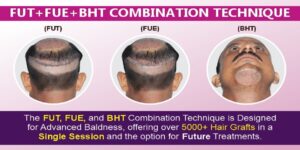
- Technique used (FUE, FUT, or hybrid)
- Surgeon experience
- Clinic infrastructure and hygiene
By and large, the hair transplant cost in Delhi lies anywhere between ₹30,000 and ₹1,50,000. It may sound like a hefty upfront price, but actually, it is a one-time investment and not years of purchasing temporary fixes and products.
Continual medications, doctor visits, and hair care products, when summed up over 5-10 years, usually add up to more than this one-time cost of transplant—without providing the same lasting results.
For Both
Here’s the thing: it’s not always an either-or situation. Many skilled surgeons suggest patients take medication such as Finasteride or Minoxidil after a transplant to protect the non-transplanted hair and to increase their growth.
So while the hair transplant takes care of the bald areas, medicine helps preserve the existing ones. This combination comes in handy in ensuring fuller and denser coverage as time goes by.
What Suits You Best?
Of course, the right option will depend on the state of your hair loss as well as on your personal goals.
- Under-the-supervision dermatologist treatment for medications if wrinkles are still in their initial stages.
- If balding patches have emerged or have been noticed on the scalp, a Hair Transplant in Delhi is to be considered directly.
Don’t wait until your donor area weakens; early intervention means better and more natural results.
Last Thoughts
Medications, to some extent, slow down hair loss, but they are not a cure for the condition and require lifelong use. Hair transplant, on the other hand, is a lifelong investment in looks and confidence.
Thus, Delhi has become the hub for natural but safe and fast result-oriented transplants, thanks to its ultra-modern clinics and highly qualified surgeons. No doubt, hair transplant cost in Delhi would seem high at first, but it would probably be a lifetime investment- it is definitely going to change lives.
If results from pills and potions never seem to arrive, maybe it’s time to switch to a life before hair loss altogether. Your future self would thank you for it.