Loss of hair has always been emotionally exhausting, and for many people, a Hair Transplant in Delhi is nothing more than a life-changing decision. Besides hair, it really restores lost confidence and a positive self-image. But there is one great important factor on which the fate of hair restoration surgery hangs: the donor area.
The surgeon who runs the donor area accords with the value of hair transplant surgery. It must be rightly chosen and handled to give a natural look of long-lasting results. If not even the most advanced techniques give an outcome that cannot satisfy. Let’s break down all of why the donor area is so vital, and why it is fundamental to undergo the procedure with an experienced surgeon.
Understanding the Donor Area
The donor area in a hair transplant is the area of your scalp at the back and at the sides, where hair follicles have a genetically inherited resistance to baldness. These hair follicles have permanent properties, and they generally continue growing by themselves throughout life. When these hair follicles are extracted and implanted in thinning parts or bald spots, they retain this property for further development.
The whole process’s foundation is thus unstable without a healthy and strong donor area. Thus, a proper examination of the potential donor area before planning the number of grafts and the type of technique, either FUT or FUE, is done.
Why the Donor Area is Instrumental
- Determines the Quality of Results:
The density and health of the donor hair directly affect the overall cover-up after the procedure. If the donor follicles are strong, the transplanted hair will almost grow naturally and blend perfectly with the existing strands.
- The Donor Area Guarantees Long-lasting Results
The hair taken from the donor area is permanent and resists the DHT hormone that causes pattern baldness from the results of an endoscopic surgery. Last, but not least, a strong donor area will protect a person from patchy or short-lived regrowth.
- Controls the Number of Grafts Available
All people have a specified donor supply. Some might over-extract from the donor supply. It leaves scars or thin areas in the back of the scalp, so the surgeon must be well-planned to balance present needs with potential future procedures.
- Avoids Unnatural Appearance
Unpleasant donor area management could result in visible scarring, patchy scalp areas, or a moth-eaten appearance. However, when handled with precision, it is virtually indistinguishable and hence discreet.
The Role of an Expert Surgeon in Managing the Donor Area
Some technology is indeed included, but it is the experience of the surgeon that really safeguards the donor region. The experienced doctor can assess the following:
- Density of hair per square centimetre
- Scalp laxity (skin flexibility)
- Quality, thickness, and direction of hair growth
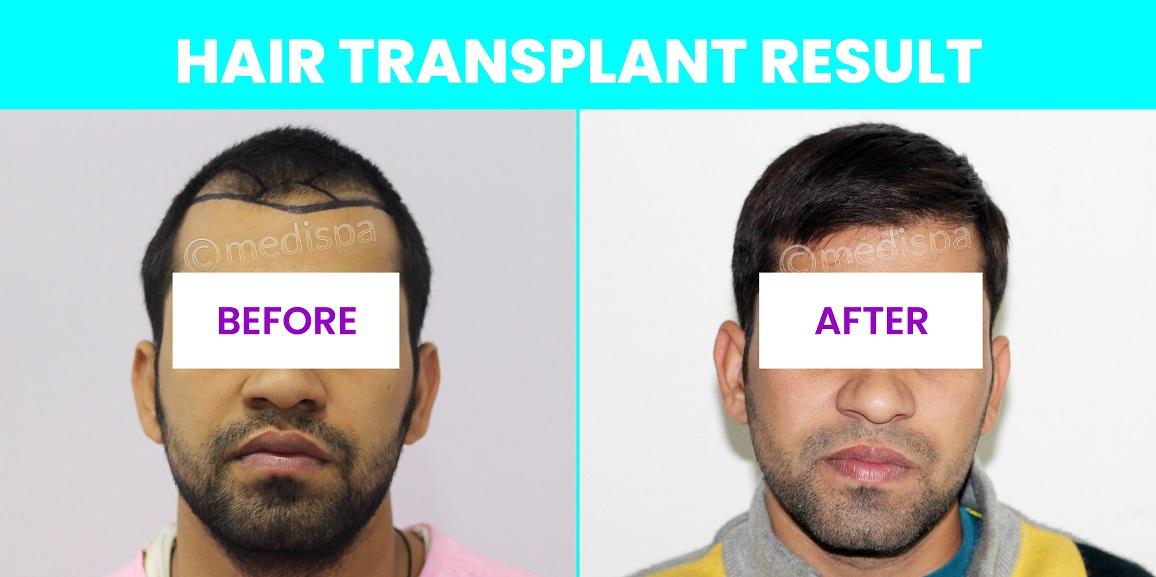
Following this assessment, only a safe extraction plan will be drawn. This is exactly how Hair Transplant in Delhi facilities like Medispa operate, a scientific mode of donor preservation and maximum graft survival.
Donor Area and Hair Transplant Techniques
The donor area plays an important role in both FUT and FUE procedures, albeit in different ways.
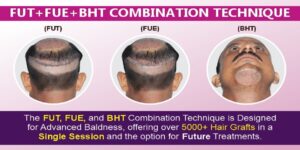
- FUT Hair Transplant (Strip Method): A thin strip of skin is extracted from the donor area, and grafts are prepared through the microscopic procedure. This promotes the extraction of larger numbers of grafts in one session and is the preferred approach for patients requiring extensive coverage.
- FUE Hair Transplant: Microneedles are used to harvest single follicles from the donor area. On the other hand, this generates the smallest dot scars, making it nearly invisible and ideal for patients who prefer shorter hairstyles.
The focus on the donor area is vital in both techniques. If one does not take the right precautions, no degree of refinement can save an advanced procedure from aesthetic failure.
Donor Area and Cost Considerations
For most people considering undergoing a transplant, the first question that pops into their minds is how much the Hair Transplant Cost in Delhi will be. Cost certainly matters, although it should not be the only criterion for decision-making. A cheap procedure could very well lead to the destruction of the donor area through inexperience or rest of it-abuse handling, leaving little for future corrective procedures to be performed.
A reputed clinic always makes sure that the donor region is preserved for long-term use. This means that even if you require other sessions in the future, there will still be enough healthy grafts. Investing in a skilled surgeon, thus, is not only for today’s results but also for the possibilities of tomorrow.
How Patients Can Protect Their Donor Area
The patient has a responsibility after surgery to follow guidelines for protecting the donor site.
- Avoid scratching or picking at the healing area.
- Obey the prescribed medication for infection prevention.
- Protect the scalp from direct sunlight during recovery.
- Scalp hygiene as instructed.
This will ensure that healing goes smoothly and is undetectable to anyone.
Last Remarks
Thus, one who speaks of success in hair transplantation actually speaks of a donor site. It dictates the naturalness of the procedure, permanence, and satisfaction with the outcome. Choosing a clinic that values precision, planning, and patient values is likely to keep this very important area intact.
If you’re thinking about a Hair Transplant in Delhi, get it now-it’s the investment against cost-hr expertise, safety, and long-term outcomes. The Hair Transplant Cost in Delhi can range, but the big bet is in choosing a physician where utmost care in handling your donor area.
World-class treatment is being provided to patients at Medispa with special emphasis on short-term effects as well as future preservation efforts. After all, hair restoration isn’t just about filling bald spots-it’s about a natural, attention-grabbing cover for a lifetime.