Hair loss often arrives quietly, and sometimes it can come too early, yet the emotional weight of the same can feel anything but subtle. To witness the scalp’s gradual appearance, to notice a thinning crown, or just catch a receding hairline in the mirror stirs deep concern and could shake your sense of identity. It is not about the strands one loses but about the comfort and confidence those strands once provided.
At Medispa, we understand how unsettling these changes can be, when your hair starts looking sparse or when bald spots begin to steal attention, but there is a way where you can get back your natural hairline. A hair transplant in India offers that possibility: an advanced, reliable, natural approach that not only restores hair but also assurance and self-esteem. If you have been in doubt over whether your hair loss has crossed the threshold to seek professional help, here is a clear sign that it may be the right time to seek a consultation.
Is Hair Transplantation Right for You?
Not every case of hair loss qualifies a person for hair transplantation, and that is precisely why knowing your situation comes in handy. The majority of men, almost half, tend to develop thinning or receding hairlines due to hereditary factors or hormonal influence. In women, there are more complex reasons for hair fall. Changes during pregnancy, fluctuations around menopause, or other hormonal imbalances can make the reason behind their thinning hair less straightforward.
Hair surgery becomes a meaningful option when certain conditions align-most importantly, there is still a reasonable density of hair in the donor areas at the back and sides of the scalp. These become the building blocks of a successful procedure, which is also a good time when hair thinning has actually slowed or stabilized over time, and this progress is not further disrupted in the future.
But the real clarity comes only through a specialist’s eye. A trained expert can evaluate if your donor area is strong enough, just how many grafts you really need, and whether transplantation will truly provide the natural fullness you want. A personalized evaluation is the first step in knowing if this path is for you.
Role of the Right Hair Transplant Surgeon
A hair transplant surgeon is far more than a technician; he becomes your mentor, your voice of clarity, and the person to whom you entrust the transformation of your concerns into a structured plan. When you first make contact, it typically all begins with the photos that you share. These images help the surgeon to study, understand the landscape of your scalp, to estimate the number of grafts that may be required, find out if your donor area has the strength to support a natural-looking restoration. This initial review may seem so simple, yet it will set the foundation for everything to come.
- Evaluate your donor and recipient zones in detail and define the actual thinning areas and the amount of quality hair available for transplantation.
- Understanding the natural direction and pattern of your hair growth for seamless integration with your existing hair.
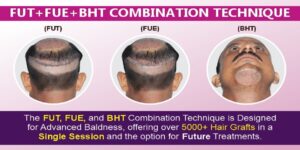
- Explain the most suitable transplant technique – whether FUT, FUE, or a combination technique for your particular scalp condition and expectations.
You can clear all your doubts and anxieties, because understanding the process brings comfort and confidence before committing to the procedure. This is careful, thoughtful involvement by the surgeon, who will make sure every decision considers your long-term needs, and you will also be able to know the hair transplant cost in India.
Advantages of Having Hair Transplant Surgery
The decision to get a hair transplant in India is personal, and clarity about the value of the action taken often helps one to make a choice. One of the most reassuring aspects is how naturally the new hair grows because it’s your hair being relocated; the texture and appearance match effortlessly to give results that blend smoothly with what you already have.
An important advantage of hair transplant is the permanence. Unlike topical applications or quick fixes, which tend to leave them in doubt, a transplant is stable and secure. For many individuals, this permanence becomes a turning point, helping rebuild confidence and restoring a sense of normalcy that hair loss could have taken away.
Due to the presence of local anesthesia, along with a serene clinical environment, most spend the surgery watching a show or listening to music rather than feeling apprehensive. Recovery generally goes very smoothly, allowing you to get back into your usual rhythm relatively fast.
What makes this experience even more reassuring is the customization. Your surgeon tailors the method, graft placement, and hairline style to your face, your goals, and your hair type. Even those with more extensive balding can receive meaningful, natural-looking improvement. And once the new hair settles in, it behaves like your own-no elaborate care routines, no special products, just regular washing and styling. It fits right back into your life, effortlessly.
Damages of Hair Transplant Surgery
While hair transplantation can bring changes in life but it needs to be approached with realistic expectations. For one, the procedure itself is not a quick in-and-out process: depending on how much coverage you need, you might spend several hours in the clinic as the surgeon carefully places each graft. This level of detail is necessary for natural results but does indeed require patience.
Another thing that often surprises people is the wait, as the new hair doesn’t grow overnight. It usually takes several months for the transplanted follicles to settle and start sprouting, and the eventual look comes along in the span of a year. If there is extreme thinning, several sessions that also needed to build up density.
Recovery is generally manageable, though it can bring some temporary discomfort. For a few days, sleeping could feel peculiar, and mild soreness or tenderness around the scalp is common. There may be swelling around the forehead, or you may feel that the hair transplant cost in India is higher than other hair treatments.
Understanding such cons helps set realistic expectations and makes sure you don’t feel like you’re jumping into anything blindly.