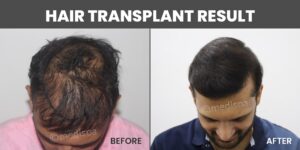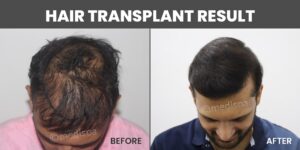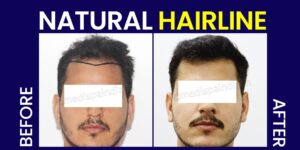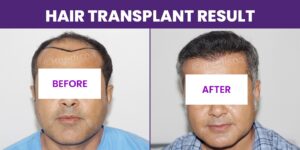
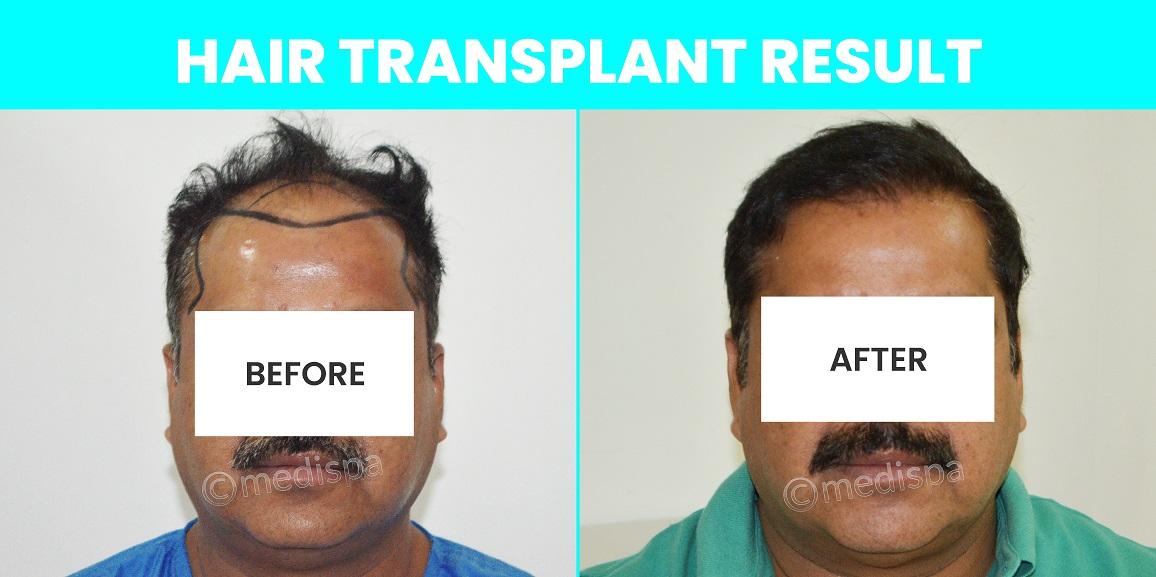
We at Medispa understand that having a hair transplant in Delhi is not just a procedure, nobody invests emotions in becoming a patient. For most of our patients, the most challenging aspect is not the surgery but the waiting that follows. It’s absolutely normal to be disappointed when, after two months, the mirror does not show the change you so desired. Some even get the feeling that things actually look worse than initially. But the truth is here: this is all part of the process. Hair restoration occurs on a specific biological cycle, and as a watched pot that never boils, focusing too much on the day-to-day changes can blur your long-term progress.
Before we reveal to you the exceptional cases, such as patients who experience apparent results in only four months. It is crucial to address two frequent questions we receive: When can I see results? And how can I speed up hair growth? This blog will walk you through patience, science, and a bit of motivation.
The Natural Progression of Hair Regrowth Following Transplant
Regrowth of hair following a transplant is a predictable process, and familiarizing yourself with the timeline can help alleviate much unnecessary anxiety. Within the first 2 to 6 weeks, it’s perfectly natural for hair that has been transplanted to fall out, a stage referred to as “shock loss.” This might seem like a step backward, but it’s merely your body adjusting, and the roots of the hair are still firmly in position.
This is followed by a period of quiet, typically up to 3 to -4 months, in which the follicles recover and rest. You do not get much action, but underneath, healing is taking place. New baby hairs start to emerge around the third month, thickening and maturing over the ensuing 6 to 12 months, with fuller, more natural outcomes.
Exception, Non-Shedding Cases
Although the majority of patients experience the shedding and resting phases, there is a small percentage, about 1%, that bypass the shedding stage completely. In these isolated instances, the transplanted hairs grow almost instantly, with noticeable progress at the third month. It is a stroke of luck, yet one that cannot be relied upon by everyone. These results are a reminder that each scalp is unique, and the lack of early growth does not signify that anything is amiss. Most patients will have the normal growth pattern, and that’s just fine. If you are not a “fast responder,” don’t worry, your results are arriving, just at your body’s natural rate.
Why Patience Is More Important Than You Realize
It’s natural to feel impatient when you care so much about change, particularly after having the commitment and spending the hair transplant cost in Delhi. But growth is a slow process, like planting a seed, you don’t notice the blooms right away. Some of our patients are disappointed waiting for results, wondering if it was really successful. That’s why setting expectations is such a vital part of the process. Regrowth of hair is a slow process but a steady one, and the finish is usually worth every inch of waiting. Your body is hard at work even if you can’t see it quite yet. Trust the process, stay consistent with post-op care, and remember: natural changes always take time.
Why Some Never Get Shedding
Most patients will experience some temporary shedding of hair following a hair transplant, as the follicles enter into a “reset” process. But sometimes, this shedding never occurs. Instead, the grafted hair skips straight into the growth phase. It’s not an indication that anything is amiss, it’s just the way some bodies are designed to react to the procedure. These patients can start to see early growth several months after surgery, and this is often a very rewarding experience. But bear in mind that bypassing the shedding stage is not typical and does not always equate to faster or better final results. Every person’s healing process is different, and whether or not shedding happens, the final result relies on good care, technique, and time.
Graft Integrity and Minimal Trauma
One of the largest contributing factors to whether or not shedding happens is what is done to the grafts during surgery. When follicles are removed and transplanted with care and precision using minimally invasive methods, they are kept strong and less traumatized. These healthy grafts will not necessarily undergo the normal “shock” reaction that results in shedding.
At Medispa, we take great care to use atraumatic methods that keep each follicle in its natural position, minimizing stress and maximizing the opportunities for direct growth. When undisturbed grafts are provided with the appropriate environment, they tend to secure themselves faster and begin growing without losing out initially. It is a testimony to the degree of surgical expertise, but these can increase the hair transplant cost in Delhi.
Optimal Scalp Environment
The health of the scalp has a strong influence on the success and speed at which implanted follicles settle in. High vascularity of the scalp means high blood flow and low levels of inflammation provide an optimal platform for recovery. A well-fed scalp supplies a consistent level of oxygen and nutrients, allowing follicles to take root firmly without the necessity for a shedding restart.
It is like planting in rich soil: the better the soil, the healthier the bloom. Moreover, less swelling or inflammation during post-op heals smoothly with the follicles, minimizing the shock and even bypassing the shedding phase altogether. And though not everyone will have these optimal circumstances by nature, quality pre- and post-op care can definitely help a healthier scalp.